Wabi-sabi interior design, applied to your room by AI
Wabi-sabi is the Japanese art of finding beauty in imperfect, lived-in spaces — natural aged materials, textured plaster, handmade ceramics, muted earth tones, and generous negative space. It's the style we named ourselves after. Upload one photo and see your room through that lens: 3 photorealistic variations. $9 flat, no subscription.
$9 per photo · 3 variations · delivered in minutes · no subscription
- Natural, imperfect, aged materials
- Textured plaster, handmade ceramics
- Muted earth tones, negative space
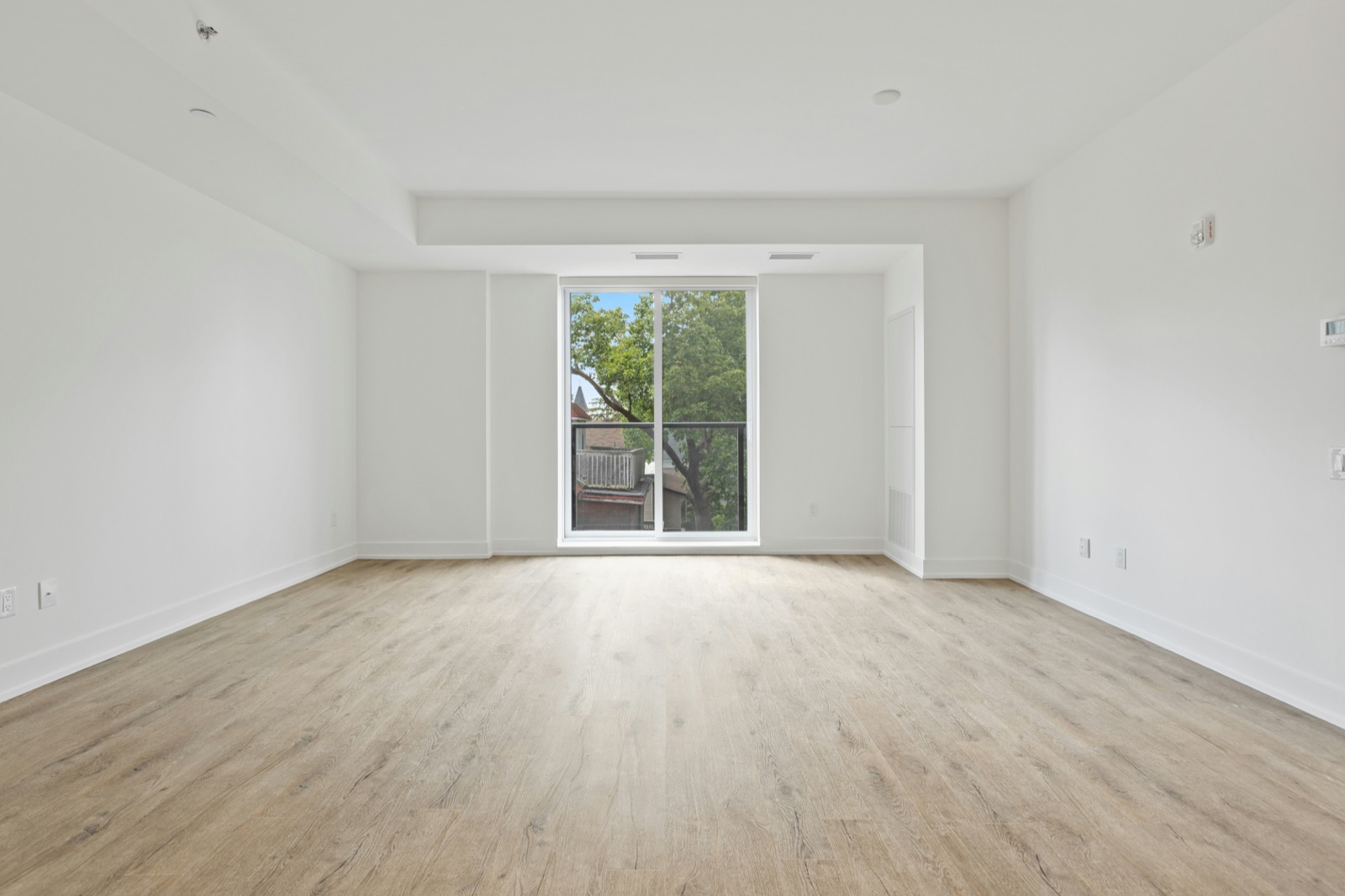 Before — room as photographed
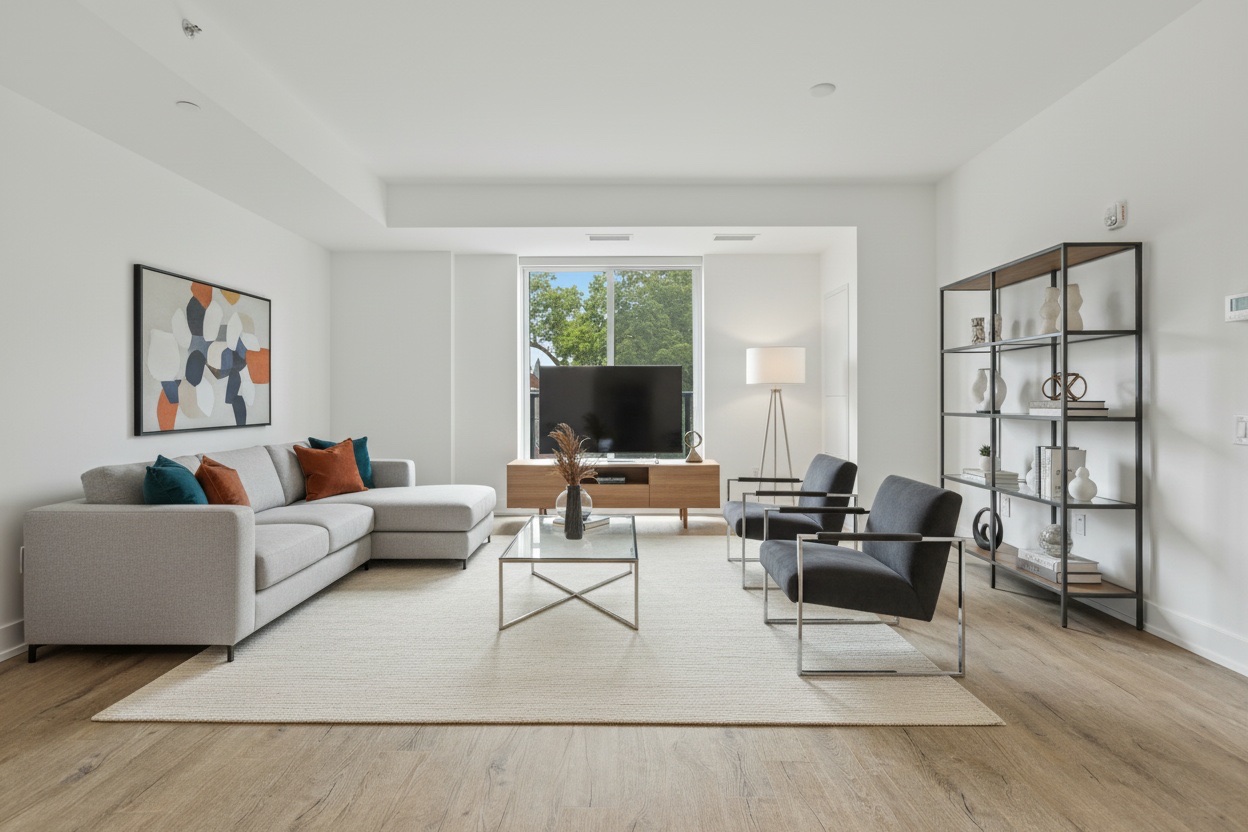 After — wabi-sabi restyle
Imperfection as the design
Where other styles hide wear, wabi-sabi builds around it: aged wood, unpolished surfaces, and objects with visible making. Rooms restyled this way feel settled instead of staged.
Made for real, lived-in rooms
Because the aesthetic embraces character rather than concealing it, wabi-sabi restyles are forgiving of older homes — original floors and imperfect walls become features, not flaws.
Our namesake, our favorite brief
WabiRoom takes its name from this aesthetic. If you're not sure which style to start with, this is the one we know most intimately.
Common questions
What is wabi-sabi interior design?+
A Japanese aesthetic centered on beauty in imperfection and impermanence: natural aged materials, muted earth tones, handmade objects, and uncluttered space. In interiors it produces calm, grounded, lived-in rooms.
How is wabi-sabi different from japandi or minimalism?+
Minimalism removes; japandi fuses Japanese and Scandinavian furnishing; wabi-sabi keeps the restraint but adds texture and age — plaster, ceramics, weathered wood. It's warmer and more tactile than either.
Does wabi-sabi work for staging a listing?+
For character properties and older homes, yes — it presents age as charm. For new-build listings, modern or Scandinavian usually photographs better.